

When That Light Turns On, It’s Not Random
Most drivers have had this happen.
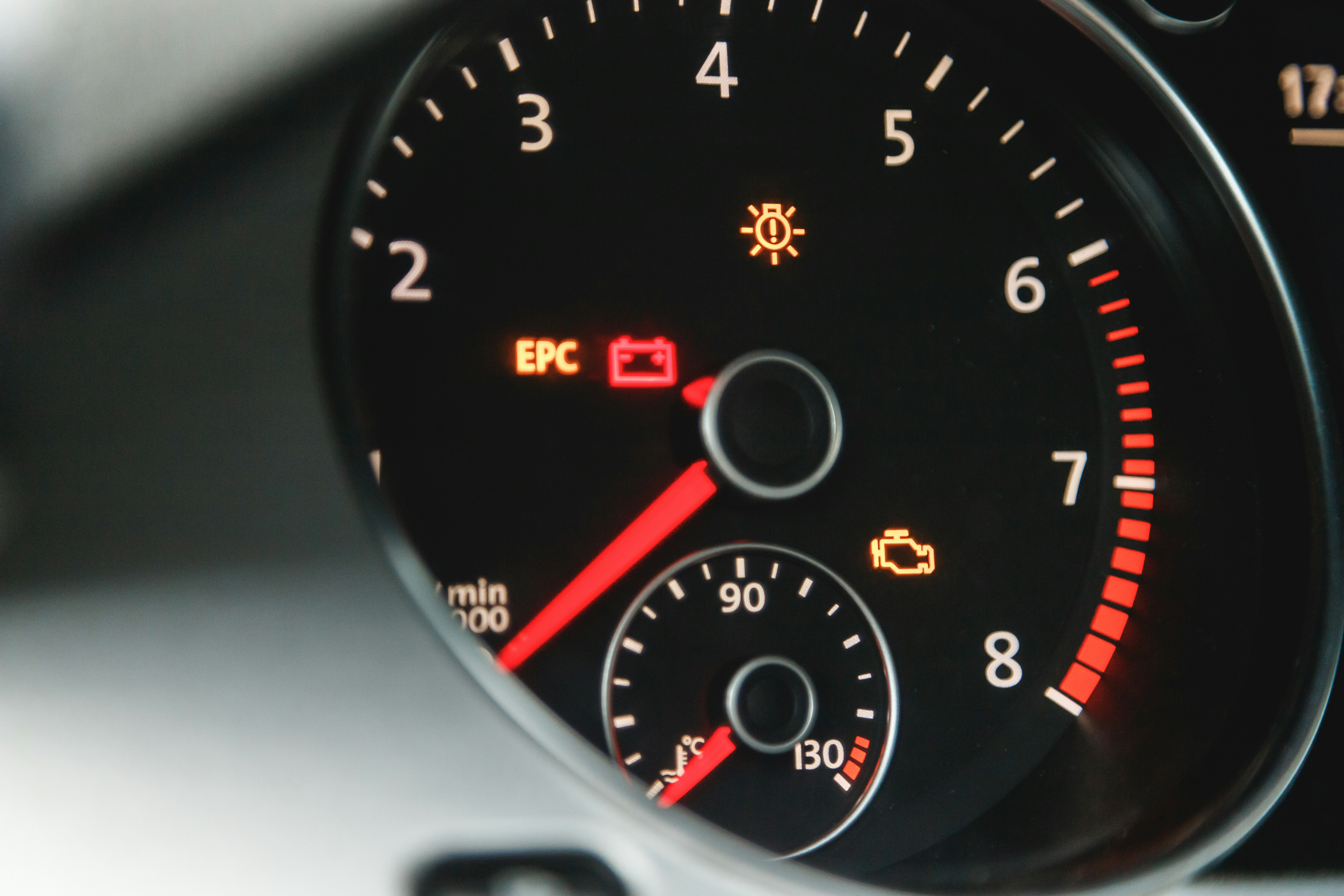
You’re driving normally, nothing feels wrong, and suddenly the check engine light comes on.
No noise. No warning. Just a light on the dashboard.
The first instinct is usually to ignore it, especially if the car still feels fine.
But that light is your vehicle’s way of telling you something isn’t working the way it should. The issue might be small, or it could be something that leads to bigger problems if left alone.
Here’s what that light actually means, what could be causing it, and what you should do next.
What the Check Engine Light Is Actually Telling You
Your car has a system that monitors engine performance and emissions.
When something falls outside the expected range, it triggers the check engine light.
This doesn’t tell you exactly what the problem is. It tells you that a problem exists.
A common question is whether it’s safe to keep driving.
The answer depends on how the light behaves.
Solid light: Usually a non-urgent issue, but still needs attention
Flashing light: Indicates a more serious problem that should be addressed immediately
Common Reasons the Check Engine Light Turns On
There are dozens of possible causes, but most fall into a few common categories.
1. Loose or Faulty Gas Cap
This is one of the simplest causes.
If the gas cap is loose, cracked, or not sealed properly, it can affect the fuel system pressure and trigger the light.
What to do next:
Check that the gas cap is tightened properly
If it looks worn or damaged, replace it
If the light does not turn off after a few drives, further inspection is needed.
2. Faulty Oxygen Sensor
The oxygen sensor measures how much oxygen is in the exhaust and helps adjust the fuel mixture.
When it fails, the engine may run less efficiently and use more fuel.
What to do next:
Have the vehicle scanned to confirm the issue
Replace the sensor if necessary
Ignoring this can lead to reduced fuel economy and additional wear on other components.
3. Failing Spark Plugs or Ignition Coils
These components are responsible for igniting the fuel in your engine.
When they begin to wear out, you may notice rough performance, misfires, or reduced power.
What to do next:
Inspect spark plugs for wear
Test ignition coils
Replace any faulty components
Addressing this early prevents further engine strain.
4. Catalytic Converter Issues
The catalytic converter helps reduce harmful emissions.
If it becomes clogged or damaged, it affects engine performance and emissions output.
A common concern is whether this is expensive to fix.
In many cases, yes. Which is why early diagnosis is important.
What to do next:
Have a diagnostic scan performed
Inspect the converter and related systems
Catching related issues early can sometimes prevent full replacement.
5. Mass Airflow Sensor Problems
The mass airflow sensor measures how much air enters the engine.
If it sends incorrect readings, the engine cannot maintain the correct fuel mixture.
What to do next:
Inspect and clean the sensor if possible
Replace it if it is no longer functioning correctly
This helps restore proper engine performance.
What Happens If You Ignore the Check Engine Light
This is where small problems become larger ones.
For example:
A minor sensor issue can affect fuel efficiency
A misfire can damage the catalytic converter
Ongoing inefficiencies increase wear on engine components
The longer the issue is ignored, the more likely it is to lead to higher repair costs.
How a Proper Diagnosis Works
The check engine light does not tell you the exact problem. That requires a scan.
A proper diagnostic process includes:
Reading error codes from the vehicle’s system
Interpreting those codes correctly
Physically inspecting related components
This is important because the code points you in the right direction, but it does not always identify the exact failed part.
When You Should Get It Checked
If the light turns on and stays on, it should be checked soon.
If it starts flashing, you should avoid driving and have it inspected immediately.
Even if the car feels normal, the system has already detected something outside normal operating conditions.
Why Drivers in Lexington Choose Brian’s Bluegrass Automotive
Check engine light issues require accurate diagnosis, not guesswork.
At Brian’s Bluegrass Automotive, the focus is on:
Identifying the real cause of the issue
Explaining the findings clearly
Fixing only what needs to be fixed
With ASE-certified technicians and experience across many vehicle types, you receive a straightforward and reliable solution.
Final Thoughts
The check engine light is not something to ignore, even if the vehicle seems to be running fine.
It is an early warning system designed to help you catch issues before they become more serious.
Taking action early keeps repairs manageable and prevents unnecessary damage.